Reading the water
Field guide · Conditions
Daytona Beach Surf Conditions for Beginners
Is Daytona Beach good for beginner surfing? Yes, it's one of the friendliest places on the East Coast to learn. The waves here break over soft, gently sloping sandbars instead of rock or reef, the beach is patrolled by Volusia County lifeguards, and conditions stay rideable enough to teach year-round.
We'll be honest with you, though: this is the Atlantic, not a wave pool. Some days the wind chops the surf up and it looks messy from the boardwalk. That rarely matters for a first lesson (we teach in the waist-deep inside section, where small, crumbling waves are exactly what you want), but it helps to know what each season typically serves up. Here's the local picture from the team at Vast Oceans Surf and SUP.
01: The sandbar
What makes Daytona Beach waves beginner-friendly?
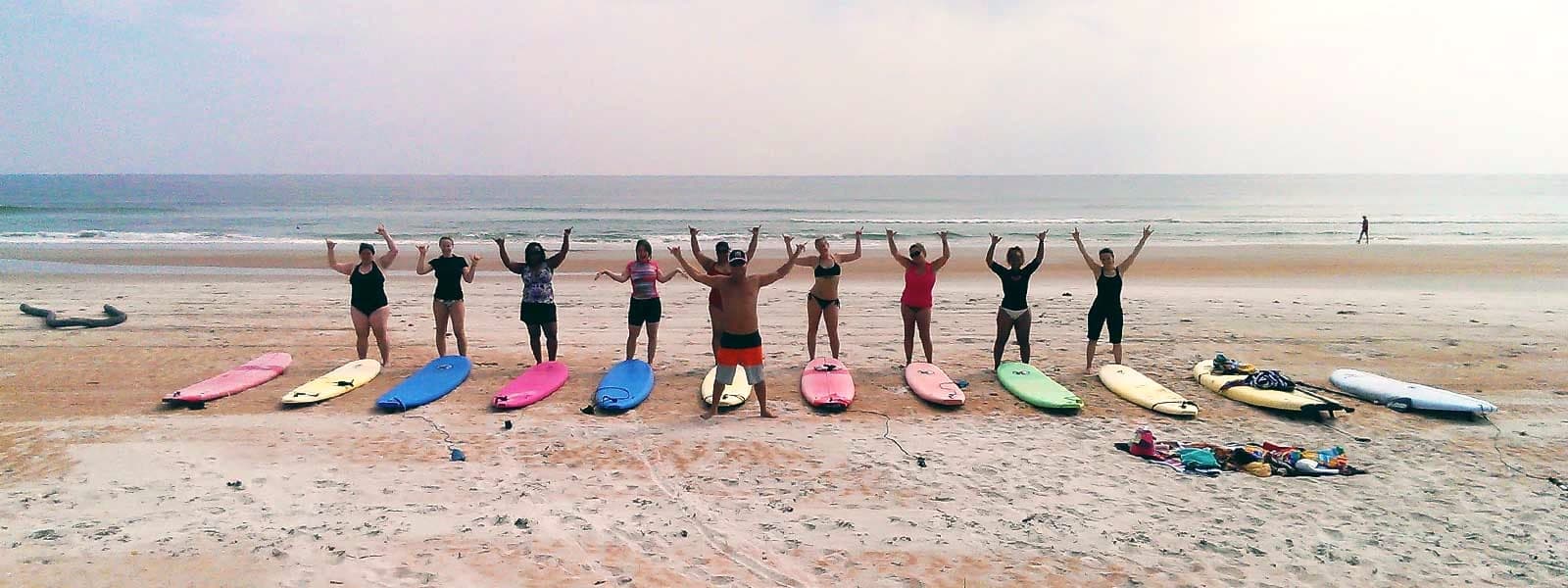
Daytona sits on a long, straight stretch of sand, roughly 23 miles of open beach break. Sand is the whole story: the bottom is soft, the waves crumble gradually instead of pitching over sharp reef, and there are peaks everywhere, so beginners never have to fight a crowd for the one good takeoff spot.
The inside sandbar is the classroom. On a typical day it serves up knee-to-waist-high rollers that reform in shallow water, enough push to get you to your feet, not enough to punish you when you fall. Our surf lessons run at Sunsplash Park: we meet at the picnic tables on the south end, near the showers and beach stairs, and Volusia County's Lifeguard Headquarters anchors the north end of the same beach.
The honest trade-off: because Daytona's surf is mostly wind swell, wave quality swings with the wind. Light offshore mornings are clean and glassy; a stiff onshore afternoon breeze makes things choppy. For learning, chop is a cosmetic problem, the whitewater still pushes you along just fine.
02: The seasons
Daytona Beach surf conditions by season
Here's what each stretch of the year typically looks like on our sandbars. “Typically” is doing real work in that sentence (Florida weather changes by the hour), but after a lifetime of surfing this beach, these are the patterns Ryan plans around.
December through February: the swell season
Winter cold fronts and nor'easters send Daytona its most consistent and most powerful surf of the year. Waves run chest-high and better more often than in any other season, and experienced surfers love it. It's still workable for beginners (we pick the calmer windows and stay on the inside bar), and the water is at its coldest, roughly the upper 50s to mid 60s, so this is full wetsuit season. We provide wetsuits in winter.
March through May: warming up
Spring keeps decent swell running early, then mellows as the months roll on. The water climbs from the mid 60s toward the mid 70s, crowds stay thin outside of race weeks and spring break, and the afternoon sea breeze starts its summer pattern. Mornings are usually the cleaner call.
June through August: the learning season
Summer is Daytona at its smallest and gentlest: knee-to-waist-high most days, bathwater in the low-to-mid 80s, and long mornings of soft, forgiving waves. That's why it's our busiest teaching season: conditions that bore an expert are perfect for a first lesson. Two things to know: afternoon thunderstorms are a near-daily Florida ritual (lightning cancels a lesson on the spot and we reschedule), and when the open beach goes truly flat, Ponce Inlet often still has a rideable wave.
September through November: the sweet spot
Fall is many locals' favorite. Hurricanes and tropical systems passing far offshore send in long-period groundswell, the water stays warm well into November, and the summer sea breeze finally relaxes. Beginners get playful waist-high days; improvers get the best waves of the year. If you want a first lesson with a real shot at falling in love with surfing, September and October are hard to beat.
“I got lots of practice in the water and learned new things about technique, style and reading the waves.”
03: The backup beach
When is Ponce Inlet the better call?
About twenty minutes south of our home beach, the north side of Ponce Inlet bends and cleans up small summer swell. The jetty helps it hold shape when Daytona's open beach goes flat or gets scrambled by wind. It's where Ryan takes coaching clients when they need a better wave, and where we'll sometimes move a lesson when conditions call for it. Fair warning: it's a well-known spot, and it tends to be more crowded than our stretch of Sunsplash Park. If you're curious, we cover the whole picture on our surf lessons in Ponce Inlet page.
04: Sharks, honestly
What about sharks in Daytona Beach?
Fair question, and the facts are calmer than the headlines. Shark bites in Volusia County are rare, a handful of incidents a year across the entire county's beaches, almost all of them minor nips to ankles and feet in murky water. In the county's entire recorded history there has been one fatality, in 1981. The county's “shark bite capital” reputation belongs almost entirely to the south side of the inlet at New Smyrna Beach, where surfers crowd a fishy inlet channel, a different beach and a different situation from where we teach.
Our lessons run at lifeguarded Sunsplash Park, in the clear, shallow inside section. Lifeguards watch the water all day and will clear it in the rare event anything needs a look. Across thousands of lessons, sharks have been a conversation topic far more often than a sighting.
05: Water temperature
Water temperature and wetsuit seasons
Here's the rough guide to what you'll feel, month band by month band:
- December – March: upper 50s to mid 60s, full wetsuit weather, and we provide wetsuits for winter lessons.
- April – May and November: mid 60s to upper 70s, spring-suit or rash-guard territory, depending on the week.
- June – October: upper 70s to mid 80s, boardshorts and a rash guard (we'll hand you one on request, along with the board and leash that are always included).
If you're deciding when to visit, don't overthink the temperature. The board, leash, rash guard, and winter wetsuit all come with the lesson. The ocean just decides what you wear.
06: Field questions
Daytona Beach beginner surfing FAQ
Q.01Is Daytona Beach good for beginner surfing?
Yes. Gentle sandbar waves, lifeguarded beaches, warm water most of the year, and rideable conditions in every season make it one of Florida's best places to learn. Summer and early fall are the friendliest windows for a first lesson.
Q.02What is the best time of year to surf in Daytona Beach?
For beginners, June through October: small, soft summer waves and warm water, with fall adding cleaner groundswell. Winter brings the biggest, most consistent surf for experienced riders. Lessons run year-round.
Q.03Are there sharks at Daytona Beach? Is it safe to surf?
Bites in Volusia County are rare and almost always minor, and there has never been a recorded fatal attack in the county. The “shark bite capital” label refers to the inlet at New Smyrna Beach, not our teaching beach. We teach at lifeguarded Sunsplash Park.
Q.04Do I need a wetsuit to surf in Daytona Beach?
Only in winter. From roughly December through March the water drops into the 60s and upper 50s, and we provide wetsuits for winter lessons. The rest of the year a swimsuit and rash guard are plenty.
Q.05Where should a beginner surf in Daytona Beach?
Sunsplash Park, the south end, where we meet at the picnic tables near the showers and beach stairs. Free parking, a gentle inside sandbar, and Volusia County's Lifeguard Headquarters at the north end of the beach.
Q.06Can you take a surf lesson in Daytona Beach year-round?
Yes. Vast Oceans Surf and SUP teaches all twelve months, we match the lesson to the season, pick the calmest windows in winter, and provide wetsuits when the water is cold. See what a first surf lesson looks like if you're ready to try.
Come see the sandbar for yourself
386-308-9951Lessons are by appointment. Call and Ryan will find you a window that suits the tide and your schedule. Group lessons are $70 per person, everything included.